Can’t look back. Before the current crop of tech companies, an ex-LMT engineer (my neighbor, wife not working) can afford to buy 3 SFHs.
Seem ok. MV/CU/WSJ/WSV becomes expanded PA  and East/West Bay/SJ becomes the new MV/CU/SNV
Can’t look back. Before the current crop of tech companies, an ex-LMT engineer (my neighbor, wife not working) can afford to buy 3 SFHs.
Seem ok. MV/CU/WSJ/WSV becomes expanded PA and East/West Bay/SJ becomes the new MV/CU/SNV
One of the more definitive sources of such information is to see job postings on the LinkedIn. It will show you the job , when was it posted, and how many applications it has received. Openings at big companies sometimes close (not get hired) within a day of openings because they are flooded with resume. The number of applicant/job ratio also depends upon the grade level of the job. Not all openings are new opening. Some are to process green card, fill attrition etc.
The historical ratio of price of home to the household income in the bay area has been about 6. So, if someone wants to buy a 3 M home, the house hold income should be around 500k or more (one income or two income or some other way). As you see in the current market, this ratio still pretty much is good. The problem is that the income of engineers (chip designer and programmers, and data scientists) have not risen in same proportion as the price of home. Money printing has inflated prices of homes, but not the income.
Also, bay area is a bounded by water and mountain. Not enough land to build lot spacious homes. you can pack more if you want to live in a 600 sq feet apartment. Many on this forum want Bay area to become hongkong and Singapore style high density housing center.
Actually SF bayarea has plenty of space.
Cupertino Vallco mall will create 2400 residential units.
There plenty of open spaces on East side of 101. and around highway 1. (we dont have water so agriculture land need to convert to housing). More roads need constructed directly from Highway 1 to Highway 280. now we have only highway 92.
It is lack of investment in public sector that create housing shortage.
Depends upon how you define a lot of space. Living in 600 sq feet apartments stacked one over another in a 50 story building is not my idea of living.
.
Why bring in SG? Are you referring to me suggesting this? SG has a well coordinated planning which is not possible in Bay Area because of divided politics. So it is not wise to have too many high density areas… it will be a big mess. However, I believe density in certain places can be higher e.g. MV and SJ downtown areas. In general is wise to increase density in downtown and near subway stations.
Housing in SG is far better than HK.
Reference to Singapore was not a reference to you. Sorry.
But, Hongkong is an interesting city.
Back when KaiTak was HKs primary airport, I remember landing into it a couple of times. First the plane would made a giant turn in the sky when approaching runway. And if you are in window seat, you could see what people are watching in the TV in the apartments next to runway. Missing that adventure since the Airport shifted to the new one which is built on reclaimed land.
Yes, this is why the tech engineers are getting screwed over. Incomes are not rising as fast as the price of assets. So, while the average engineer can afford rent and gas and food, their ability to build wealth in this area is getting more challenging.
The ability to buy a SFH in the RBA and hold it for 10-20 years will be a huge differentiator in how much wealth a family can build.
I agree with what you said. The price of an engineer has been on decline for the last 30 years. The price of engineer is what the market can support given the dynamics of demand and supply. Bay area is hitting both land constraints and political constraints (too many taxes and policies that deteriorate quality of living - like high density housing , no new roads or lanes, hatred for cars, and garages). Not good for its future as destination to raise a family with middle class income. My friend who was born and grew up in this area tells me that people who pumped gas were able to own homes in 1960s. I am assuming this is true. But, I do not think the job tp pump gas in the cars even exist any more (except in NJ).
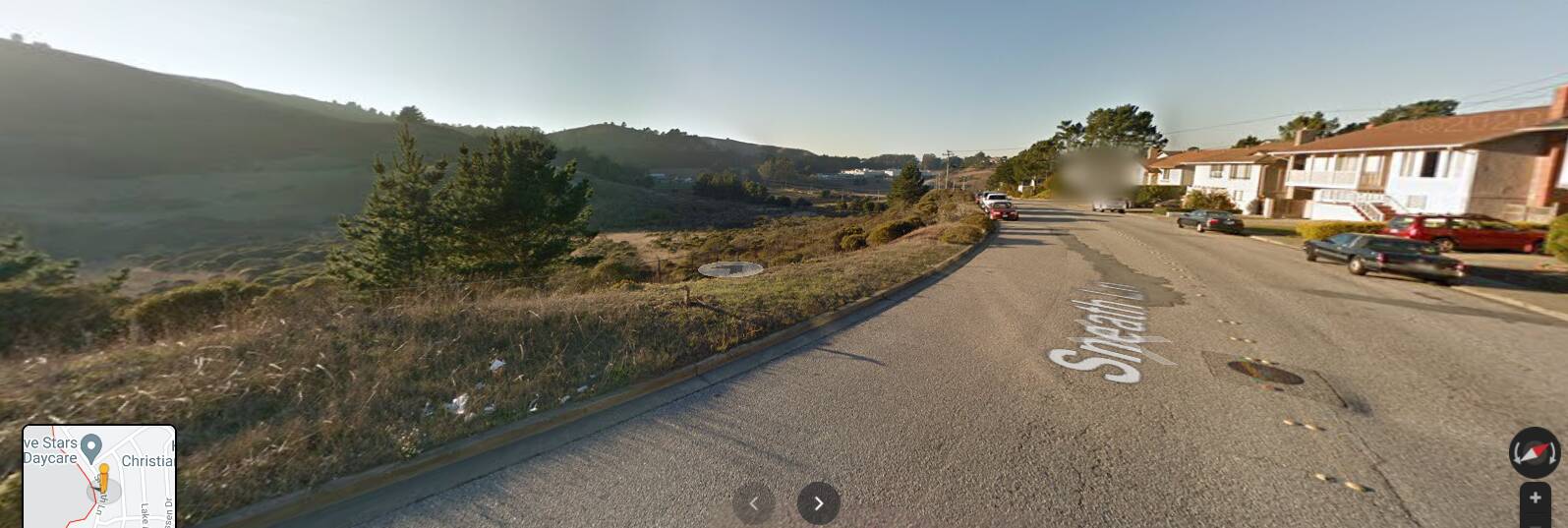
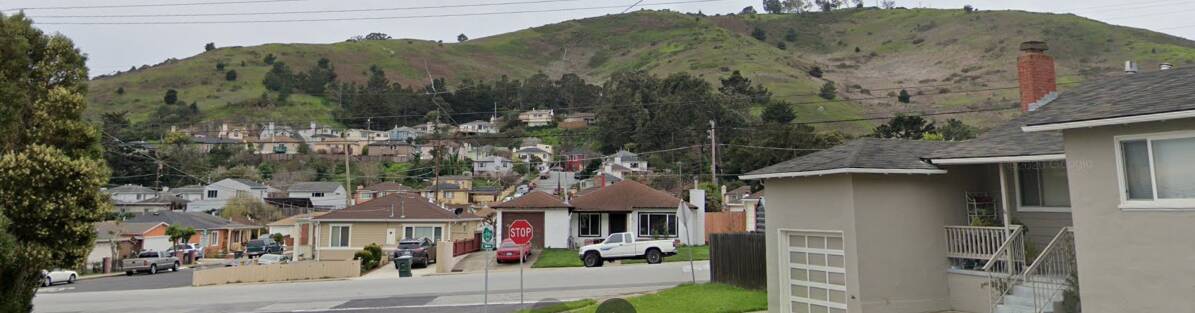
There is plenty of space in Pacifica, Daly city, San Bruno, Richmond.(The Hilltop Mall is gone) and San Mateo for single family home. we can make almost 10 cities like Belmont/San Carlos hilly areas. if proper infrastructure is developed… All that San Bruno and South San francisco mountains are empty.
here new home San Bruno under $2m. Construction cost are high so prepare to pay close to $2M anywhere also pay HOA and over the top property taxes.
https://www.redfin.com/CA/San-Bruno/206-Miraluna-Dr-94066/home/175483003
I find this argument amusing. Left wants to declare whatever open land is available in wilderness into reserves. And you are suggesting the remaining open spaces to be converted into housing.
I mean the places with no trees or dead trees. It sill plenty of space. make homes with decks and views. since working from home or hybrid working along with online shopping. the traffic will not go up.
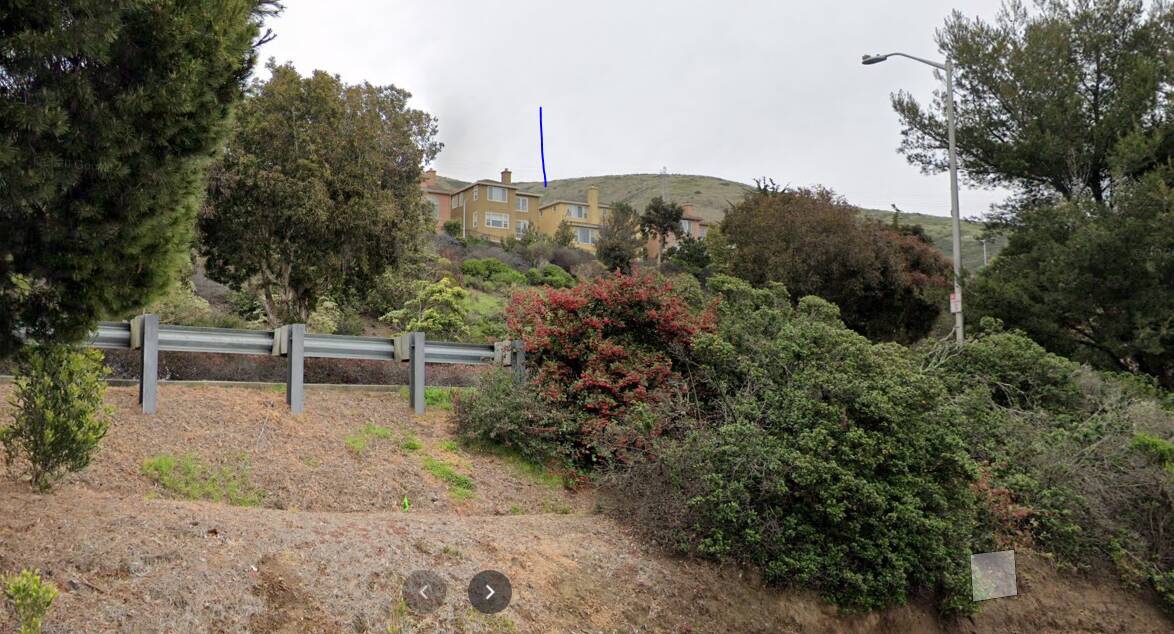
whats preventing building further on the barren ridges.
Example is already there of building on small hills.
I think your friend is wrong. The BA has always been expensive. I would guess that a gas station attendant in the early 60s made $1/hr. Or $160/m… Studio apartments in Berkeley were $60/m. At $160/month income that is all a gas jockey could barely afford. Houses averaged about $25k.
Adjusted for inflation the gas pumper could afford $500/m today. But in actuality the minimum wage is $20/hr in the BA. Meaning they could afford $1400/m now. Especially with a two income family. Wages drive rents, but not necessarily house prices. Too many cash buyers, people with parents helping and stock options
https://www.dollartimes.com/inflation/items/1960-united-states-minimum-wage
Good Point, Lets assume the minimum wages in the early 1960s were about 1/hr. There are about 2000 hours in an year. One can work for more hours of course. That gives about $2000 per year. Six times (using the home price to income ratio of 6) the home that the person could afford would be around 12000. Do you not think there were many homes that one could buy for 12000 those days? What if the person put good down payment, of had some saving form other sources? But, using your numbers, it seems plausible that a person earning minimum wage could afford a home with a little help. Can a person earning minimum wage do that today?
Added Later: Just found out minimum wage in 1964 was $1.3. That translates to about $2600/year for someone working a typical year. 6 times is about 15600. One could actually afford some low end home if financing was possible or good down payment was available.
in DUBLIN (not RBA according to this board) you can rent ONE room and maybe a bathroom in a larger house (so not even a 1bd apt) for $1400/month. and that too in a crappy part of Dublin. So totally not affordable for anyone to live
How much will a 500 sq ft ADU studio with a kitchen, bathroom, and washer/dryer rent for?
Back in the sixties the rule of thumb was an affordable house was three times your annual salary. Things have changed with dual incomes and low interest rates… but all that does is inflate house prices. The only way to lower house prices is to allow unfettered construction. No zoning no fees no rules. Ain’t going to happen. As far as ADUs there are so few that I doubt there are reliable statistics
There are lot of land to build in America. The new homes in RBA will only come at the cost of quality of living of the existing residents.
Yes, but from the calculations, it looks like a minimum wage earner who worked overtime could afford to buy a low end home for himself. So, my friend who says a person pumping gas could afford a home in 1960s is not off the mark.
Nobody gave loans to those people. In those days you had to have 20% down. You had to have a job for 3 years. And perfect credit. Minimum wage people were not buying houses. There are tons of other people making a lot of more money competing for housing, just like now.
Here is an ADU in Dublin.