all the people who used to take BART.
when everyone is back 100% it is going to be even worse. I am still skeeved by BART. but I still WFH
all the people who used to take BART.
when everyone is back 100% it is going to be even worse. I am still skeeved by BART. but I still WFH
I was in the office 3x last week and 2x week before, drove each time (carpooled with other colleagues though) when normally before I’d take BART
Well, now they have a place to house the homeless.
.
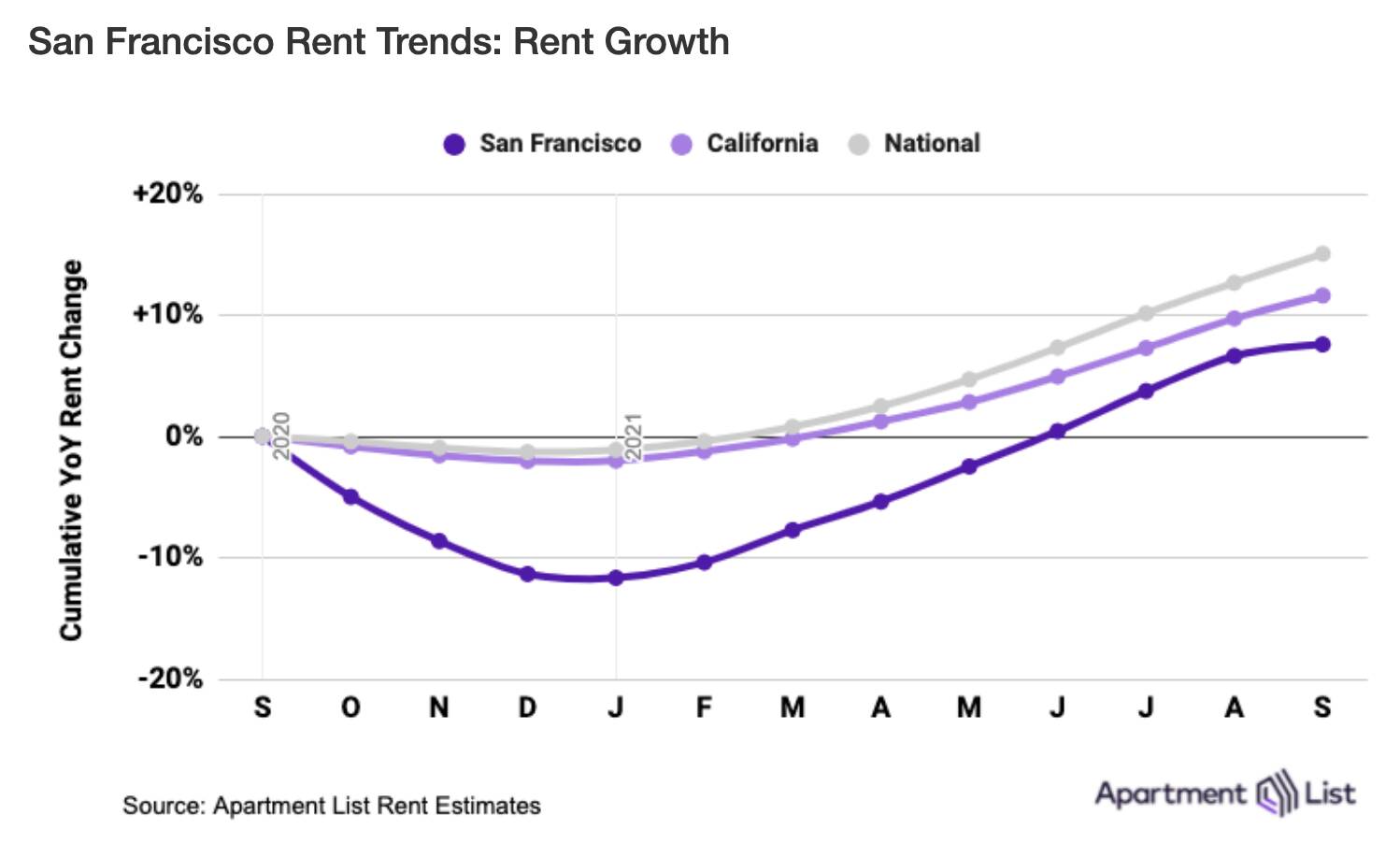
On the other hand apartment rent in SF bottomed in January and rising quickly since then.
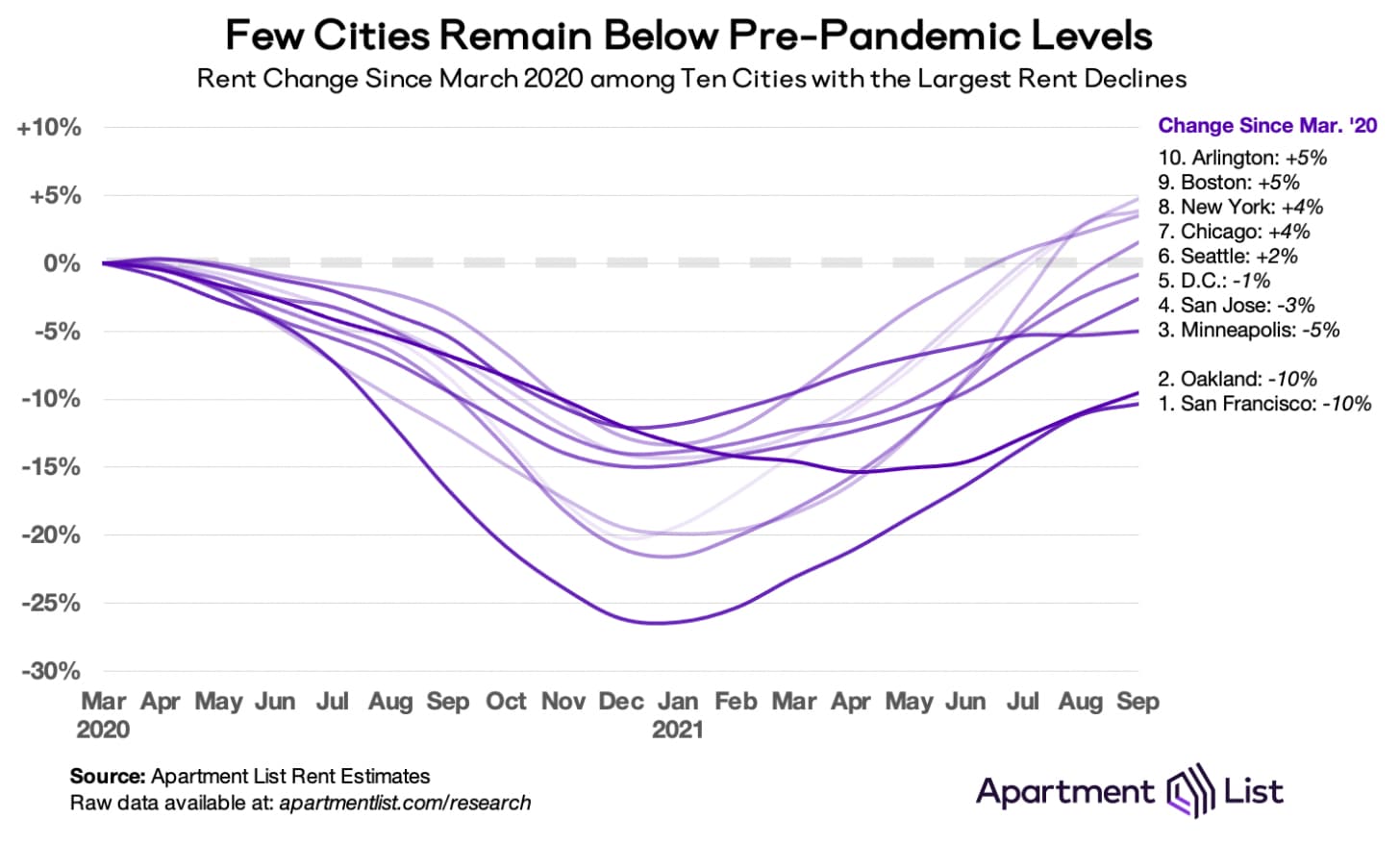
Zoom out a bit and SF is still 10% below pre-Covid. Those bargains in SF condos may have already gone.
work from home is likely to be extend to the summer of the 2022. PGE is taking it till april. Other companies to summer. If this happens it will be two years of WFH. Two years is enough time to close two asic projects start to finish without ever going to office. How much important office and distance of house from office will remain in coming years? Also add two three batch of new college graduates, and interns who started their careers WFH.
Added Later: Will WFH do to the inner cities what freeways did to inner-cities during early days of automobile age (you no longer needed to live close to work)?
So, I went to the city yesterday for a meeting from 11-2, from Dublin via BART since I didn’t want to drive. OMG. 1.25 hrs one way. My colleague drove in from Davis, same time!
I was like, I don’t want to do this daily!!! this is horrific! I had to get ready, pack my bag. get in the car. SO MUCH TIME WASTED and I still had work to do after my 2.5 hr RT commute.
Saw on a newsletter:
The Slack Way of Life
The Atlantic writes that office communication platform Slack (now owned by Salesforce.com) has been a tool for democratization of workplaces, largely thanks to its utility in dismantling silos across organizations and building transparency. The pandemic accelerated Slack usage, which accelerated the trends. “Slack so thoroughly permeates companies’ culture that it changes them. It changes the language of the office and the texture of the workday. It enables a sui generis kind of communication, one that’s chatty, fast, stream-of-consciousness, and always on; one that often feels less like an email than a group text. It is work software that insinuated itself into our lives precisely by feeling unlike work software—and, in turn, it has made work feel less like work.”
.
probably workers have been missing free google food (breakfast/lunch/dinner/and snacks inbetween).
I hear ya. When I was working hourly in Boston, it would’ve been a 45 minute commute each way and I had a toddler. Working from home meant more billable hours for the company, less office space/rent.
That said, my husband does NOT like working from home at all. He’s been back in the office since July.
Thinking hard about whether I’d want a job in SF with the commute. But I would absolutely be in the office every day if it the job were local - only 10-15 minutes
I commuted 1.30+ hr each way to/from SSF from Pleasanton prior to COVID, you get used to it. IMO better than driving that amount of time in gridlock traffic
I commuted from Bayfair to Montgomery station everyday. I used the time on Bart for Netflix, forums, news, and gaming. Now I’m still doing all those things even without the commute  .
If only you could cook dinner while on Caltrain…
Use instant pots. My wife is super good at it now. We have 4 instant pots. Lots of interesting recipes online and in Facebook groups.
4? Wow… how many people are you feeding a night?