Correct, that is the work of controller, like CEO dictate what others are supposed to do, inefficiency not tolerated!
1 Like
Dimon is making it sound like First Republic simply made low rate loans for no sound reasons at all. First Republic did what almost all banks do: Start at rate X, and if you bring $50k, $100k, $250k, $500k or $1M to the bank, your rate drops by x, y, or z. That was partially how they grew into a jumbo lending powerhouse. The other reasons were the ability to underwrite very complex loans for HNW borrowers, and in some cases use either asset depreciation or RSU income for qualifying. The media and bankers seem to be complaining about FDC’s mortgage portfolio, but it’s no different from the stuff most of them are servicing in their own portfolio now. The pot here is just as black as the kettle so to speak.
4 Likes
Don’t understand why bloggers defend regional banks🙃 Doesn’t matter what is the operating environment, professionals are expected to have the skills, experience and network to navigate. Fail to do so, pay the price.
1 Like
You just don’t get it. No bank in the US would survive a run. No one is fully hedged. The only thing preventing a complete collapse is the confidence that some banks are too big to fail, and the government will guarantee deposits.
1 Like
.
This is a good reason why regional banks should go  They are too small to survive current digitized economy.
Regional Banks or Small credit unions are very important for local economy.
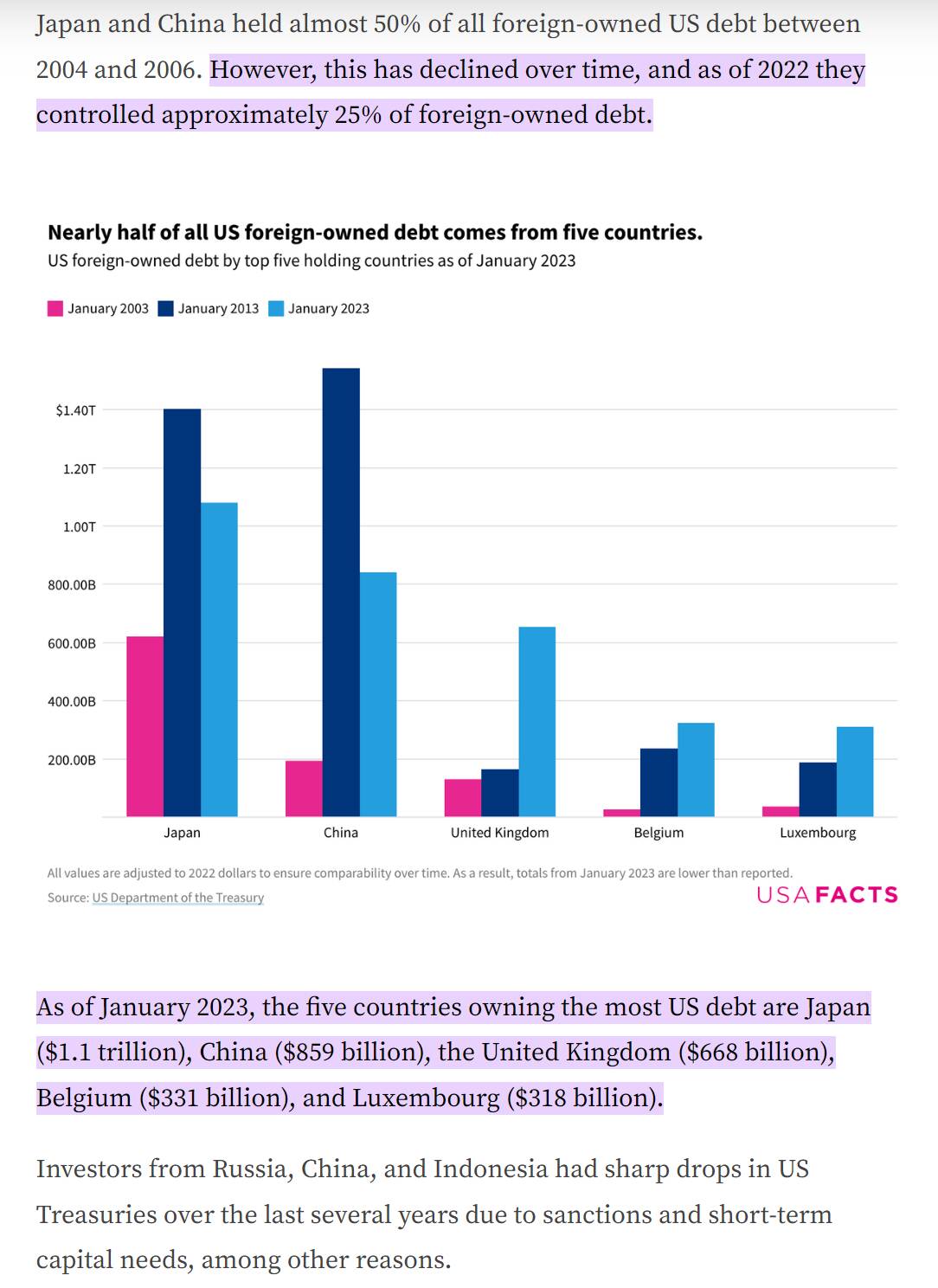
In the same argument, if China(banks) and Japan (banks) off load UST and other pull back other investments in USA, will JPM or BAC survive the issue?
FED+UST have to find a solution to stop irrational fear withdrawals.
.
Agree they use to be. Are they still relevant today?
You know I don’t like analogy. I can always point out why they are not analogous  I have pointed out many times, for an analogy to be good, need to meet certain requirements. I know we like to use analogy for normal conversation. Just good for casual conversation.
The small and medium banks are very competitive and quickly provide credit at cheaper rate.
For example: if some one approaches HELOC or car loans, easy to get from credit unions. They have small secondary source and carer local economy. Millions are considered great!
Big banks are rigid by their size, secondary providers sources will handle billions, big banks focus corporations or high transactions at higher value than millions. The weightage goes to bigger amount…etc.
It has ZERO to do with a digitized economy. The big banks would fail even harder if it wasn’t for government guarantee of depositors and the precedent of too big to fail. Why should the government guarantee some depositors but not others? Remember back in 2008, we were told the issue with the banking system was some banks had become too big and were a systematic risk? All we’ve done since then is eliminate more smaller banks, so the bigger banks are even bigger.
If we want banks to hold 100% of deposits in cash at all times, then that’s fine. Just make that the regulation and banks will adapt their business models for it.
I also don’t see how less banking competition would benefit consumers.
2 Likes
.
I know this. Still relevant with FinTech?
Lol, you trust the “geniuses” running FinTech more than regional banks? Wow…
.
Haha. Your reason + this. Guess shouldn’t have added that… confusing.
Well, how much competition is good enough? Judgement call.
Another judgement call.
Why do you think it has anything to do with digitized economy?
Actually I mention before. Cloud allows TBTF banks and FinTech to provide services that regional banks are good at.
That’s so generically awesome.
Yes and yes.
This is like when big university is there, why do we need community college!
When Amazon is dispatching same day, why do we need local store etc…
1 Like
And again, access to cash is a headache outside the traditional banking system. A huge portion of the US economy runs on cash. In many smaller towns served by regional banks businesses frequently have notices up requesting cash payment. The fees associated with any sort of electronic payment are a burden to small business and many rural dwellers simply value their privacy too much to create an electronic record of their purchases that can go who-knows-where.
Years ago I had a Schwab One account. I abandoned it for the very reason that I still needed another account for getting cash.
1 Like
.
Agree still need regional banks  But how many? Now has 4k+. 100 enough? 50? I think should be lot less than 4000.
I don’t think the core issue is whether we need 4000 small banks. Rather it is that, even if we don’t need that many, we don’t want them to fail rapidly in an disorderly fashion. Once a panic is set in motion, it won’t be just small banks that got sucked in. Damage will be widespread, and as we learned from the GFC, it will take many years to recover from a financial crisis.
Also FinTech is really not that big a deal in the grand scheme of things. They are just plumbing on top of banks to move funds around. They can’t take deposits. So the more ambitious FinTechs actually applied for bank licenses.
3 Likes